

NEW YORK (AP) — Foreign small businesses are struggling to adapt since the United States ended the “de minimis” exemption on Aug. 29, which allowed imports under $800 to be tariff-free.
Eliminating the exemption was meant to curb drug trafficking and stop low quality goods from flooding the U.S. market, but small businesses have been affected and they say they’re facing not only rising costs, but complaints from customers.
Eliminating the so-called de minimis exemption was meant to curb drug trafficking and stop low-quality goods from discount sellers such as Temu and Shein flooding the U.S. market.
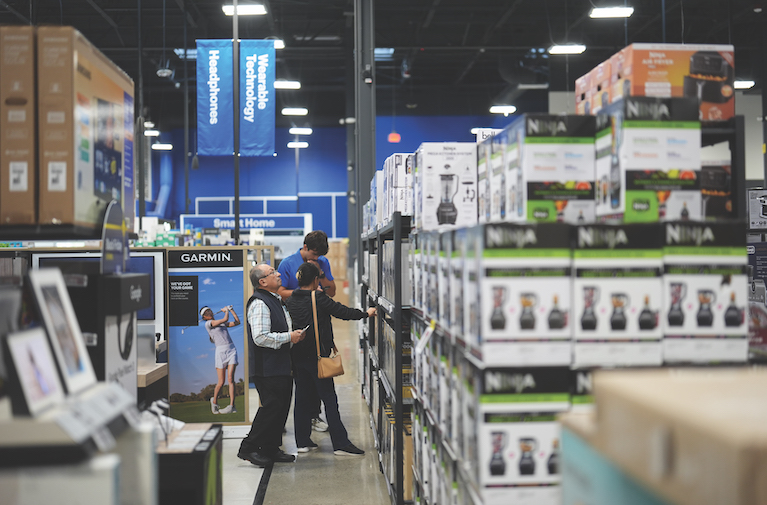
As the annual holiday shopping season kicks off, however, it is putting a crimp on small businesses and shoppers now facing higher costs.
Chad Lundquist in Fort Lauderdale, Fla., ordered fragrance oil from a site called Oil Perfumery in October, but he didn’t realize the business was based in Toronto, Canada.
His total was $35.75, which included an $8 standard shipping fee, but when his package arrived, he was hit with a $10.80 tariff bill from FedEx.
“It wasn’t worth the $10 tariff for a $27 purchase,” Lundquist said.
He’s not the only skittish shopper. Three months after the exemption ended, sellers abroad are reporting drastic declines in U.S. sales. Some are paying the duties themselves instead of passing them to consumers.
They are also trying to focus on domestic customers to replace American ones and adjusting product lineups to feature best-selling items to try to goose sales.
Martha Keith, founder of British stationery brand Martha Brook, which is based in London said U.S. sales from her Etsy store were up 50 percent for the year before the exemption ended, but sales are down 30 percent since the tariffs hit.